Why a Gin Bar NYC Experience Feels Timeless
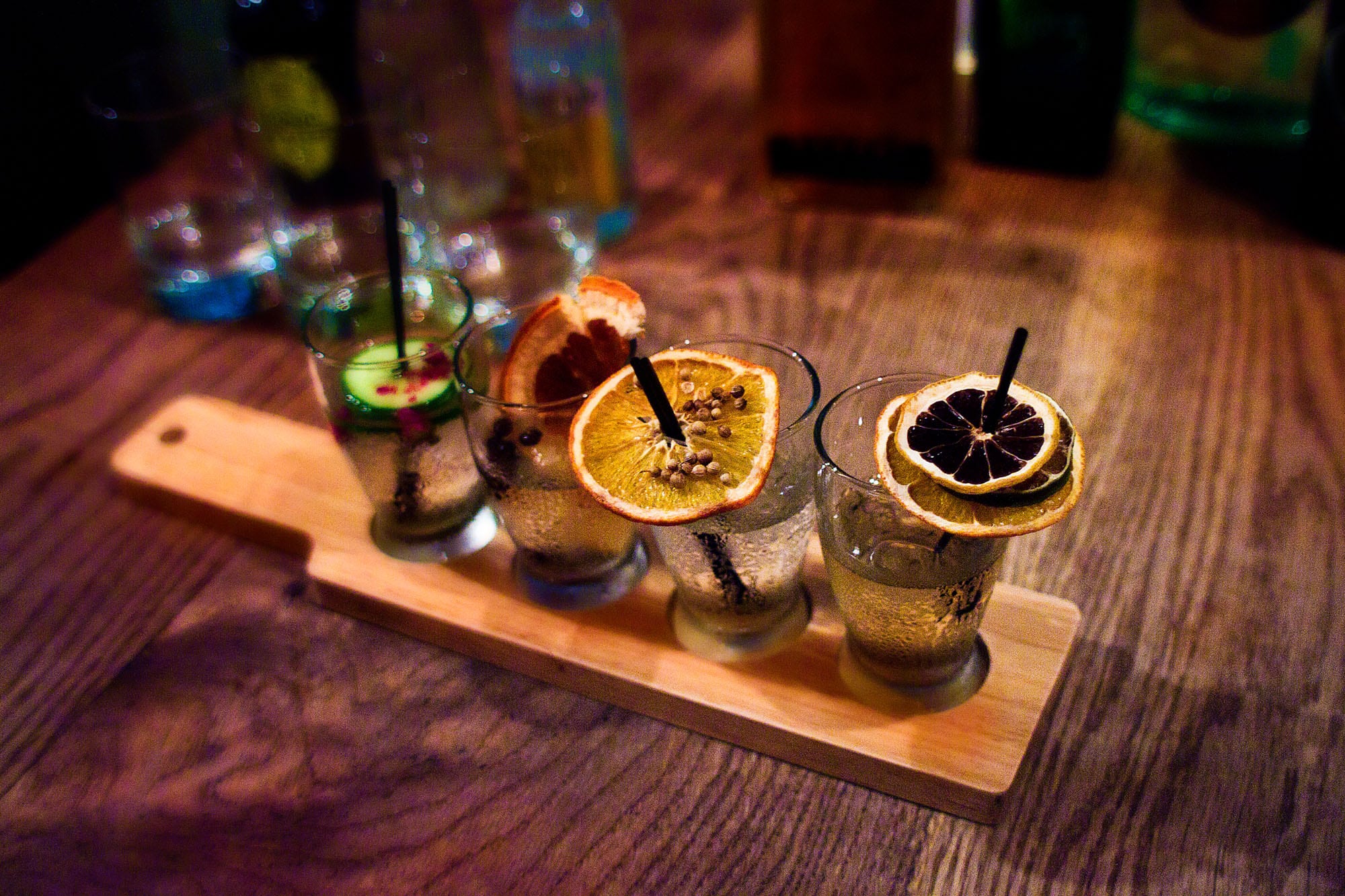
Step into a well-run gin bar in New York and something subtle happens. The city outside keeps moving at its usual clip, cabs pushing through traffic, reservations running late, phones lighting up every few seconds. Inside, the pace changes. Not slower in a sleepy sense, and not theatrical for its own sake. More deliberate. Glassware matters. Ice matters. Citrus peel matters. The bartender's questions matter. A proper Gin Bar NYC experience feels timeless because it is built on attention, ritual, and a style of hospitality that resists rush without ever becoming stiff.
That quality is not an accident. It comes from a spirit with a long memory, from drinks that reward technique more than flash, and from rooms designed to make conversation feel more important than spectacle. Gin has always occupied an interesting place in drinking culture. It can be bracing or soft, floral or sharply herbal, classic or surprisingly modern. In the right hands, it connects eras rather than belonging to one. That is part of why a night centered around gin in New York often feels different from a night built around trendier categories.
A spirit with history, but not nostalgia
Gin carries history in a way guests can actually taste. Juniper gives it an immediate identity, but beyond that single note the category opens up into a wide field of botanical expression. Coriander, angelica, citrus peel, cardamom, orris root, licorice, pepper, rosemary, cucumber, tea, lavender, and dozens of other ingredients can shape the final profile. That range gives gin unusual flexibility, but it also gives it continuity. A gin drink made today can still feel connected to one served generations ago.
That connection is especially potent in New York, where old and new routinely share the same block. A serious gin bar does not need to imitate the past to feel rooted in it. In fact, the best ones usually avoid costume. They may nod to classic European hotel bars, discreet clubs, or neighborhood cocktail rooms from another era, but what makes them compelling is not reenactment. It is confidence. They know the Martini does not need reinvention every six months to remain relevant. They know a Gimlet can still surprise guests when the balance is right. They trust that a refined Gin and Tonic, served in proper glassware with considered garnish, can carry as much pleasure as a far more elaborate build.
There is a practical side to this too. Gin is one of the few spirits that can feel both familiar and specialized at the same time. Someone new to the category may recognize the broad idea of a Martini or Tom Collins. A more experienced guest may want to discuss London dry versus contemporary styles, navy strength bottlings, or how a distillery uses local botanicals. Both people can sit at the same bar and feel accommodated. That inclusiveness helps create the timeless effect. Truly enduring drinking spaces welcome curiosity at every level.
Ritual is the hidden architecture
A great gin bar runs on ritual, and ritual is one of the oldest ways humans give shape to time. That sounds lofty for a drink order, but anyone who has watched a seasoned bartender build a Martini knows the feeling. The chill of the mixing glass, the brief pause before stirring, the clarity of the ice, the measured expression of lemon over the surface, the final placement of the stemmed glass, all of it creates a sequence that feels settled and meaningful.
In New York, where so much hospitality leans on speed and volume, that sequence stands out. Guests notice when service has rhythm. They notice when tools are handled cleanly, when bottles are returned to the same spots, when citrus is cut fresh, when a bartender remembers that one guest prefers an olive while another wants a twist. None of this is ostentatious. It is disciplined. Discipline ages well.
I have spent enough time in bars to know that ritual can go wrong when it turns performative. There is a difference between care and choreography for its own sake. The timeless bars understand that. Their ritual supports the drink and the guest. It never upstages them. If a bartender takes ninety seconds to stir a Martini because the dilution curve calls for it, that feels right. If the same bartender launches into a five-minute monologue no one asked for, the spell breaks.
This is where gin shines. It exposes weak habits. A whiskey drink can sometimes absorb small errors because oak, proof, and sweetness provide cover. Gin, especially in a dry stirred drink, leaves little room to hide. Temperature, dilution, vermouth freshness, garnish choice, even the aroma released when the glass reaches the table, all matter. The guest may not articulate each factor, but they register the result. Precision gives the experience its poise.
The Martini effect
No drink better explains the timeless quality of a gin bar than the Martini. It remains one of the most misunderstood drinks in mainstream culture and one of the most exacting in professional practice. On paper it is simple. In reality it is a test of standards.
A proper gin Martini in New York can tell you almost everything about a bar within the first sip. Is the gin selected for structure, not just brand recognition? Is the vermouth fresh and refrigerated? Was the glass truly cold, or merely cool? Did the bartender ask useful questions without turning the order into an interview? Did the garnish complement the style of gin? These details separate a merely expensive drink from a memorable one.
The reason the Martini feels timeless is that it asks the same questions now that it did decades ago. How much is enough? What does refinement taste like? Where is the line between austerity and pleasure? Trends move around it, but the drink remains. Dirty variations rise and fall in popularity. Ratios shift. Tiny frozen pours become fashionable, then larger classic serves return. Through it all, the underlying discipline survives.
At a strong Gin Bar NYC destination, the Martini list often reveals a quiet intelligence. Not fifteen novelty riffs with candy garnishes, but perhaps a house dry Martini, a wetter fifty-fifty, a Gibson with proper onion bite, maybe a vesper-inspired variation handled with restraint. Those options are enough when they are executed at a high level. Timelessness often comes from editing, not accumulation.
New York gives gin the right stage
Place matters. Gin can thrive almost anywhere, but New York gives it a particularly convincing stage because the city understands contrast. Formal and casual coexist here better than in most places. A guest can walk in wearing a jacket after the theater or sit down after work in ordinary clothes and still feel appropriate. Gin belongs in both moods.
The city also rewards bars that know how to make intimacy feel special. Square footage is expensive. Noise is constant. Privacy is scarce. When a gin bar carves out a room where light is flattering, music stays in its lane, and conversation remains possible, that room gains a kind of emotional value beyond the drinks themselves. Guests remember it because it offers relief without isolation. It feels tucked away, even when it sits on a busy avenue.
There is another local advantage. New York drinkers, for all their variety, tend to appreciate competence quickly. They can be adventurous, but they also have little patience for empty flourish. A gin bar that survives and earns loyalty here usually does so because it gets the basics right night after night. That consistency is part of what makes the experience feel enduring. A space becomes timeless not by being frozen in place, but by delivering standards people trust.
The city's dining culture also helps. Gin works beautifully before dinner, during dinner, and after dinner, which is not true of every spirit category. A crisp highball can start the evening without fatigue. A Martini can sharpen appetite. A Collins can fit a lively meal. A Negroni can bridge afternoon and evening. New York's habit of stretching nights across several venues makes gin especially useful. It adapts to the shape of the city.
The room matters almost as much as the bottle
Ask people what makes a bar memorable and they often start with the drink. Fair enough. Yet rooms do a great deal of the real work. Timeless gin bars tend to share a handful of environmental traits, though not in a formulaic way. The lighting is usually intentional rather than bright by default. Seats invite people to stay. The backbar is organized enough to suggest seriousness without becoming museum-like. Surfaces age well. Brass, wood, tile, leather, stone, and linen all tend to improve with use if chosen wisely.
Good design in this category rarely screams for attention. It frames the drink instead. One of the reasons a Gin Bar NYC evening feels distinct is that the room often encourages a type of behavior that is increasingly rare. Guests lower their voices. They look at one another rather than only at screens. They ask what someone else is having. They order a second round because the first one arrived with such clarity and calm.
Scent plays a role too, though people underestimate it. Gin is aromatic by nature, and bars that avoid heavy food grease in the air or overpowering ambient fragrance let those botanical notes register. A twist of lemon over a chilled drink carries farther in a clean room. So does rosemary, grapefruit, or cucumber. The best spaces understand that atmosphere is not just visual. It is olfactory and acoustic as well.
I have seen bars spend heavily on design only to undermine themselves with practical mistakes. Music set a little too loud. Ice bins positioned awkwardly so service becomes clumsy. Backless stools that look elegant for ten minutes and punishing for ninety. Timelessness depends on comfort more than concept. Guests return to spaces that make them feel well held.
Gin invites conversation rather than performance
There is a social reason gin bars age well. They encourage a style of drinking that suits conversation. Many gin drinks are aromatic, layered, and refreshing without being sugary. They can be sipped steadily. They leave room for food, for thought, for another round chosen with care rather than impulse. The experience tends to feel composed.
Compare that to categories built around extremes. Very high-proof pours can turn the evening inward fast. Dessert-like cocktails can become fatiguing after one round. Highly theatrical serves can make guests feel they are attending a show rather than spending time together. Those formats have their place, but they are not usually timeless. They are period pieces.
A gin bar, at its best, creates social ease. You can bring a date there, a colleague, a longtime friend, an out-of-town guest, even a parent with good taste. The room does not demand a single identity from you. The drinks reward attention but do not require expertise. That flexibility is rare and valuable.
This is also why bartenders matter so much in these spaces. The best gin bartenders are translators. They know how to guide a guest who says, "I don't usually like gin," toward something softer, perhaps citrus-led or floral without soapiness. They know when to steer a vodka Martini drinker toward a more delicate gin and when not to push. They know that some guests want the story behind a distillery and others just want a cold drink and a little peace. Timeless hospitality depends on reading the room, not reciting a script.
Not all gin bars feel timeless, and that distinction matters
It is worth saying plainly that not every bar with a large gin selection achieves this effect. Some miss because they mistake quantity for depth. A menu with fifty bottlings can still feel shallow if the program lacks curation, staff training, or a clear point of view. Others miss because they lean too hard on vintage aesthetics while neglecting drink quality. Nostalgia is not the same as timelessness.
There are also trade-offs in specialization. A gin-forward bar may not satisfy guests who prefer darker spirits or sweeter flavor profiles. Some contemporary gins, particularly those with aggressive floral or savory botanical blends, can alienate traditionalists. Menus that chase novelty too hard may confuse rather than delight. On the other hand, bars that cling rigidly to canon can start to feel static. The skill lies in balancing reverence with movement.
The strongest programs usually handle that balance through a few smart practices:
- They treat classics as foundations, not relics.
- They rotate seasonal ingredients carefully, without masking the gin.
- They train staff to explain style differences in plain language.
- They keep vermouth and modifiers in excellent condition.
- They understand that hospitality outranks collection size.
None of these choices are flashy. That is precisely the point. Timeless places often look almost modest from the outside because their confidence sits in execution.
The small practical details guests actually remember
People often think memory works through dramatic moments, but in hospitality it frequently works through the small practical details that make a guest feel cared for. A water glass refreshed before it empties. A sidecar of extra tonic kept cold. A martini poured in a size that stays Gin Bar NYC The Winslow chilled to the end rather than turning lukewarm halfway through. A bar napkin replaced after condensation soaks through. Coats handled smoothly in winter. These touches sound minor until they are missing.
In a New York setting, where prices can be high and expectations are higher, practical competence carries emotional force. Guests do not necessarily say, "That bar managed dilution perfectly." They say, "That place just gets it." Timelessness lives in that gap between technical accuracy and emotional ease.
Service pacing is another example. Good gin bars know that the first round often sets the tempo for the entire evening. If it arrives rushed, before a guest settles in, the night starts off-balance. If it drags without acknowledgment, anticipation becomes irritation. The right timing feels effortless, though it rarely is behind the scenes. It depends on staffing, station setup, prep discipline, and communication between floor and bar.
Food matters too, even in bars where drinks lead. Salty, bright, clean flavors often pair especially well with gin. Oysters, olives, fries, lightly dressed seafood, roast chicken, cheese with bite, or crisp vegetable dishes all have their place. The timeless bars understand pairing not as a luxury, but as practical hospitality. Guests stay longer and drink better when the food respects the program.
Why classics remain fresh in this setting
One of the more interesting truths about gin is that its classics still feel alive when handled with seriousness. The Negroni remains one of the best low-theater, high-impact drinks on any menu. The Tom Collins still delivers lift and refreshment that many modern tall drinks fail to match. A French 75 can feel celebratory without being cloying. Even a simple Gin and Tonic, when built with a tonic that suits the spirit and a garnish chosen for aroma rather than decoration, can feel exact and complete.
This matters in New York because repetition is part of city life. People revisit restaurants, bars, and neighborhoods. They repeat rituals because the city is exhausting enough without reinventing every evening. Timeless drinks fit that pattern. They can become part of a guest's personal map of the city. One person has a Friday Gibson at the same corner seat. Another orders a light gin highball before catching a downtown train. Another brings visiting friends for Martinis because that room always lands right. Over time, the bar becomes more than a venue. It becomes a marker in lived experience.
That is difficult to manufacture. Marketing can fill seats once. Social buzz can fill them for a season. Only repeated satisfaction turns a bar into a personal institution.
What to look for if you want the real thing
If someone asks how to identify a genuinely strong Gin Bar NYC experience before ordering, I usually suggest watching first. A room tells on itself. Look at whether the bar top is calm or chaotic. Notice whether the bartender handles citrus and glassware with care. Pay attention to whether questions sound helpful or memorized. Look at the guests already drinking. Are they leaning in, staying for another round, ordering with confidence? Or are they taking one photo and moving on?
The menu also gives clues. A shorter, well-judged selection of classic and house drinks often signals more confidence than pages of novelty. So does the presence of thoughtful lower-proof options, proper aperitif-style serves, and a few gin choices explained in useful, not overwrought, language. If a bar mentions garnish pairings or style notes clearly, that is usually a good sign.
A few green flags tend to stand out:
- Chilled glassware and visible attention to ice quality
- Fresh vermouth handled like a perishable ingredient
- A menu that respects classics without copying every trend
- Staff who can guide without lecturing
- A room where conversation is possible
These are not luxury extras. They are the foundations of a bar that understands why people keep coming back.
Timelessness is really trust
The most accurate way to describe the appeal of a great gin bar is not romance, though there is some romance in it. It is trust. You trust the drink to arrive balanced. You trust the room to support the mood you came for. You trust the bartender to know the difference between your usual order and what you might want tonight. You trust that the bar values precision more than gimmick.
That kind of trust feels increasingly rare, which is why it reads as timeless when you find it. The experience reaches backward to older forms of hospitality, but it does not depend on sentimentality. It feels current because care never goes out of date. New York, for all its velocity and reinvention, still has an appetite for places that know exactly what they are and execute it with grace. A fine gin bar answers that appetite better than almost any other format.
The right room, the right pour, the right pace, these things create an evening that seems to sit slightly outside ordinary time. Not because it is old-fashioned, and not because it rejects the present, but because it honors standards durable enough to survive fashion. That is why a Gin Bar NYC experience feels timeless. It is built on the kind of judgment people recognize instantly, even if they cannot name every part of it. One sip is often enough.
The Winslow
243 E 14th St
New York, NY 10003, United States
Phone: +1 212-777-7717
FAQ About Gin Bar NYC
How to do a gin tasting?
Start with a small pour and gently smell the gin before taking a small sip. Notice its juniper, citrus, floral or spice notes, then compare how the flavor changes with a little water or tonic. At a gin bar, ask the bartender to explain the selection and botanical pairings.
How to make the best tasting gin and tonic?
Use chilled gin, fresh tonic and plenty of ice. A common starting ratio is one part gin to two parts tonic, adjusted to taste. Choose a garnish that complements the gin's botanicals and stir gently to preserve the bubbles.
What is the smoothest tasting gin?
There is no single smoothest gin for everyone. Perceived smoothness depends on the botanical recipe, alcohol strength, serving temperature and mixer. Describe whether you prefer citrus, floral, herbal or juniper-forward flavors so a bartender can suggest a suitable style.