The Best Private Event Packages for a Bar With Private Room
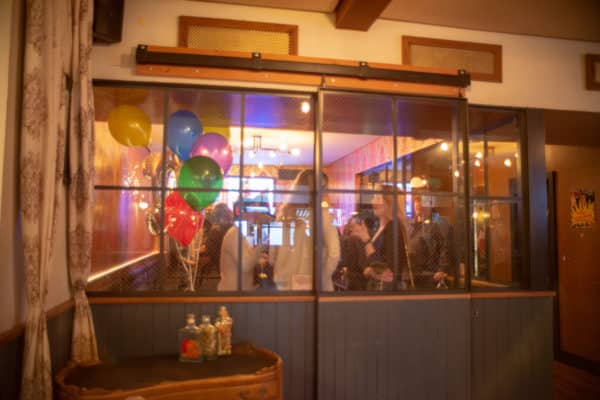
A private event can feel effortless or painfully improvised, and the difference usually comes down to the package behind it. People tend to focus on the room itself, which is understandable. A tucked-away lounge, a secluded mezzanine, or a fully enclosed back room carries instant appeal. Still, the room is only half the story. The package determines whether guests feel looked after, whether the host stays within budget, and whether the staff can deliver a smooth night instead of scrambling from one issue to the next.
That is especially true when booking a Bar With Private Room. The appeal is obvious: a social atmosphere, a built-in beverage program, and a space that feels more relaxed than a hotel ballroom or conference suite. Yet the best private event packages do much more than reserve square footage. They solve practical problems before they become visible. They account for arrival flow, sound bleed, dietary needs, service pacing, and the awkward gap between “just drinks” and a full hosted event.
After years of seeing what works and what quietly falls apart, certain package formats stand out. The strongest ones are flexible enough for different guest lists but structured enough to protect the host from unpleasant https://holdenuxhr386.rivetgarden.com/posts/bar-with-private-room-concepts-for-intimate-reunions surprises.
What a strong private event package actually includes
A lot of event packages look attractive on first read because they advertise one easy headline number. The danger is that a simple price can hide an incomplete offering. A low room minimum sounds great until the host realizes staffing, glassware upgrades, AV, taxes, gratuity, or premium spirits sit outside the quoted figure.
A strong package begins with clarity. It should spell out the spend commitment, how long the room is reserved, what kind of service is included, and whether food is required or optional. It should also define the room setup. A cocktail-style reception for 40 people and a seated dinner for 40 people are not interchangeable plans, even if the room technically fits both.
The best venues also explain their timing logic. Some private rooms are priced differently on a Thursday at 6 p.m. Than on a Saturday at 8 p.m., and that is perfectly reasonable. What matters is transparency. Hosts can make smart decisions when they understand exactly what they are paying for.
Food and beverage policy deserves special attention. In a good package, there is a clear answer to each of the questions that actually matter in the real world. Is the bar open on consumption, partially hosted, or covered by a per-person package? Are guests getting passed appetizers, a buffet, plated food, or a standing spread? Can the event switch from cocktails to late-night snacks without rewriting the whole contract? If those answers are vague at the booking stage, they usually stay vague until event night, which is rarely a good sign.
Why package design matters more in a bar setting
A bar is not an empty event shell. It is a live operating business with its own rhythm, staffing model, and guest expectations. That can be a major advantage. The room already has atmosphere. The bartenders know how to move quickly. The drinks often outperform what guests would get at a banquet hall. But it also means package design has to work with the way bars function.
For example, bars excel at standing events with movement, conversation, and a steady flow of drinks. They are often less comfortable when a host wants an intensely formal dinner with multiple speeches, synchronized course drops, and silent attention from a crowd that came expecting a more social mood. A thoughtful private event package respects the strengths of the venue instead of pretending every event format works equally well.
This is where experience shows. A smart venue will not simply say yes to every request. It will guide the host toward a setup the space can deliver well. If the room has excellent cocktail service but limited hot food holding, the package may emphasize premium canapés and substantial stations rather than promise restaurant-level plated execution for 60 guests. That is not a limitation if it is handled honestly. It is good event planning.
The cocktail reception package that nearly always works
If someone asked for the safest bet at a Bar With Private Room, I would point to the cocktail reception package. It suits birthdays, networking gatherings, engagement parties, alumni mixers, client socials, and holiday events with minimal adaptation. People mingle naturally, the room feels lively even with a modest guest count, and the service pattern plays to the strengths of the bar.
The best version of this package includes a reserved private room for two to four hours, a drinks structure that is easy to understand, and enough food to support sustained drinking without making the event feel like a sit-down meal. Usually that means a choice between a prepaid open bar for a set period, drink tickets, or a hosted tab with a spend cap. On the food side, passed appetizers and a small stationary display work particularly well because they keep people circulating.
What separates a strong cocktail package from a weak one is pacing. A common mistake is serving all the food too early. Guests arrive, have one drink, eat heavily in the first 30 minutes, and then hit a long quiet stretch where the room feels spent by nine o’clock. Better packages stagger the experience. A round of lighter bites at arrival, more substantial pieces in the middle, and perhaps a late snack near the end can completely change the energy of the event.
There is also a budget advantage here. A cocktail reception package usually allows hosts to spend where guests notice it most. Instead of paying for full seating, formal table settings, and a larger service team, they can put more of the budget into better drinks, stronger food quality, or an extra hour in the room.
The milestone celebration package for birthdays and anniversaries
Birthday parties, retirement gatherings, rehearsal celebrations, and anniversaries need a different tone. Guests are there to celebrate a specific person or couple, not merely attend a social event. The package has to create a sense of occasion without making the room feel stiff.
For this category, the best private event packages usually blend structure with personal touches. Reserved banquette seating or a semi-lounge arrangement often works better than a fully open standing room because celebratory groups tend to split into clusters. Some guests want to dance or move around, while others want a place to sit with a drink and actually talk. The package should support both.
Hosts in this category usually care about presentation more than corporate clients do. They notice whether glassware matches the style of the event, whether the dessert moment feels special, and whether there is room for flowers, signage, gifts, or a memory display. A good venue bakes those considerations into the package, even if only through practical allowances. Simple details such as early access for decorating, a dedicated table for cake service, and clear policy on outside desserts matter more than glossy marketing language.
This is also the event type where beverage customization goes a long way. A signature cocktail named for the guest of honor sounds small, but it adds personality without much operational strain. A package that includes one or two custom cocktails often feels more premium than one that simply offers a long generic rail selection.
Corporate packages that respect time and attention
Corporate events succeed or fail on efficiency. People may say they want a relaxed evening, but they still expect the logistics to be crisp. Guest arrival should be easy. Name collection should be clear. Food should appear before people get too deep into their drinks. If there is a presentation or set of remarks, the room has to support it acoustically.
That makes corporate private event packages their own category. They need stronger framing than social packages, especially in a Bar With Private Room where the line between private and public atmosphere can blur. The best corporate package usually includes a confirmed run of show, a visible service captain or event contact, and AV basics that have been tested in the room itself, not just promised in a sales email.
The package should also acknowledge how businesses handle budgets. Companies often need an itemized estimate before approval, then a clean final bill with predictable gratuity and tax treatment. A package that is easy to book but hard to reconcile afterward will frustrate even a happy client.
For networking-focused corporate events, flexibility matters. Some attendees arrive exactly on time, others late from meetings. A drinks-on-arrival setup paired with continuous small bites tends to work better than fixed seating. For team dinners or client appreciation nights, a hybrid package can be ideal, perhaps cocktails first, then a more substantial food service once most guests have arrived. That hybrid format gives the event shape without forcing it into a banquet model.
The hybrid package, often the best value for mixed groups
Many hosts think they have to choose between “open bar party” and “full dinner event.” In practice, the most successful private room events often sit in between. Hybrid packages are where experienced venues quietly outperform less seasoned ones.
A hybrid package usually combines limited hosted drinks, substantial food, and a room reservation long enough for the event to breathe. That might mean beer, wine, and one signature cocktail for the first two hours, paired with hearty shared platters or stations. Or it could mean a set menu of passed bites followed by open consumption drinks after a minimum spend threshold is met.
This format works because guest behavior is rarely uniform. In almost every group, some people drink lightly, some heavily, some arrive hungry, some eat little, and some treat the event like a dinner no matter what the invitation says. A hybrid package absorbs those differences better than a rigid all-or-nothing plan.
It also protects the host’s budget. A completely open premium bar can become expensive fast, particularly if the guest list includes enthusiastic drinkers or the event stretches longer than expected. On the other hand, a dry or tightly restricted package can make the event feel pinched. A hybrid approach gives enough hospitality to feel generous while preserving financial control.
The details that separate premium packages from average ones
Two venues can offer similar prices and similar room sizes, yet one consistently produces better events. Usually the difference lies in small operational details that are easy to miss during the booking process.
Premium packages tend to define staffing properly. If a private room requires one bartender for every 35 to 50 guests, depending on drink complexity, that should be planned from the start. When staffing is too lean, guests feel the problem immediately, even if they cannot name it. Drinks take too long, empty glasses linger, and the room loses momentum.
Premium packages also treat food as functional, not decorative. Attractive platters are nice, but portion planning matters more. One of the most common complaints after private events is not about taste. It is that there was not enough food, or the substantial items came out too late. Good venues calculate food against the actual duration of the event, the drinking style of the group, and whether guests are arriving from work or after already having dinner.
Then there is privacy itself. Not every so-called private room delivers the same experience. Some are fully enclosed with dedicated sound control. Others are semi-private areas with curtains, partitions, or partial walls. There is nothing inherently wrong with either format, but the package should match the reality. A semi-private space can be excellent for a festive birthday or networking reception. It may be a poor fit for confidential business discussions or an intimate family toast. The best packages do not oversell the room’s privacy level.
Questions worth asking before you book
A polished sales sheet can hide important gaps. The easiest way to protect both budget and guest experience is to ask direct, practical questions before signing.
Here are five that matter almost every time:
- Is the spend requirement a room fee, a food and beverage minimum, or both?
- How private is the room in practice, including sound and guest traffic?
- What does the quoted package include beyond food and drinks, such as staffing, setup, cleanup, and AV?
- How is food paced throughout the event, and can that timing be adjusted?
- What happens if the final guest count changes in the last few days?
These questions often reveal more than a long brochure. If the answers come back quickly and clearly, that is usually a good sign. If they are vague or keep changing, expect friction later.
Matching the package to the guest list, not just the occasion
Hosts often shop by event label. They ask for a birthday package, a holiday package, or a networking package. That is understandable, but the better approach is to think first about the guest list. A 25th birthday for 18 close friends behaves very differently from a 50th birthday for 60 mixed-age relatives and coworkers. A startup mixer of 40 extroverts has little in common with a law firm client event of 40 reserved professionals, even if both call themselves networking receptions.
The best private event package is the one that fits how people will actually use the room. If guests know each other well, they tolerate looser structure. If many guests are strangers, the event benefits from clear anchors, perhaps a welcome drink, a visible food station, or a short programmed moment. If the crowd skews older, more seating usually matters. If younger guests are likely to continue the night elsewhere, a shorter high-energy package may outperform a longer premium one.
I have seen hosts overspend simply because they bought prestige rather than fit. They ordered top-shelf open bar service for a group that mainly drank wine and light beer. They booked a plated format for guests who only wanted to circulate. They paid for elaborate decor in a room that already had strong atmosphere. The right package is not always the most expensive one. It is the one where the money shows up in places guests feel.
When all-inclusive makes sense, and when it doesn’t
All-inclusive packages are attractive because they reduce decision fatigue. The host sees one price per person and can move on. For some events, that is absolutely the right move. Large corporate groups, rehearsal gatherings, and milestone celebrations with out-of-town family often benefit from all-inclusive pricing because it simplifies planning and limits financial surprises.
Still, all-inclusive is not automatically better. In bars, it can sometimes lead to overpackaging. A host may pay for a long premium bar window, dessert service, multiple courses, and furniture arrangements the group does not really need. If the event is naturally casual, a customized package can create a stronger experience at a lower cost.
The smart test is this: does the package remove complexity that would otherwise cause stress, or does it bundle extras mainly because the venue finds them easy to sell? If it is the former, it is probably worth the premium. If it is the latter, a more tailored plan is often the better buy.
Red flags that should make a host pause
Not every venue that advertises a private room has a mature private events operation. Some simply have unused space and a willingness to rent it. That is not enough.
A few warning signs tend to repeat:
- The package pricing changes depending on who answers the email.
- The venue cannot explain how many guests fit comfortably in the room for your event style.
- The menu sounds broad, but substitutions and dietary accommodations are not clearly addressed.
- There is no single point of contact for event details on the day of service.
- The room is attractive in photos, but the sales team resists showing it during a comparable live service period.
Any one of these can be manageable. Several together usually mean the event will require more supervision from the host than it should.
The package guests remember
Guests rarely remember the contractual structure behind an event. They remember whether they waited too long for their first drink, whether there was enough food, whether they could hear conversations, and whether the evening had a natural rhythm. In other words, they remember the outcome of the package, not the package itself.
That is why the best private event packages for a Bar With Private Room are not defined by flashy labels. They are defined by fit, pacing, clarity, and operational honesty. A great package feels easy because someone has already thought through the pressure points. It gives the host confidence, gives the staff a realistic framework, and gives guests a night that feels generous without fuss.
When those pieces line up, the private room does what it is supposed to do. It creates intimacy without isolation, energy without chaos, and hospitality without waste. That is the package worth booking.
The Winslow
Address: 243 E 14th St, New York, NY 10003
Phone number: +12127777717
FAQ About Bar With Private Room
Which bars in NYC offer private rooms?
Many bars in New York City offer private and semi-private rooms for parties and events, ranging from hidden basement speakeasies to upscale lounge spaces. Top options include The Back Room on the Lower East Side, Dear Irving Gramercy, Pebble Bar in Midtown, Mister Paradise in the East Village, and The Winslow in the East Village.
What is a private room in a pub called?
A small, private seating area or partitioned booth in a traditional pub is most commonly called a snug. Larger private rooms used for events, parties, or dining are typically referred to as private dining rooms, function rooms, or back rooms.
How much does a 2 hour open bar cost?
A 2-hour open bar generally costs between $15 and $45 per person, depending heavily on the quality of alcohol you choose. For a standard group of 100 guests, this translates to an overall cost of $1,500 to $4,500 before taxes, setups, and staff gratuities.