Bar With Private Room Concepts for Intimate Reunions
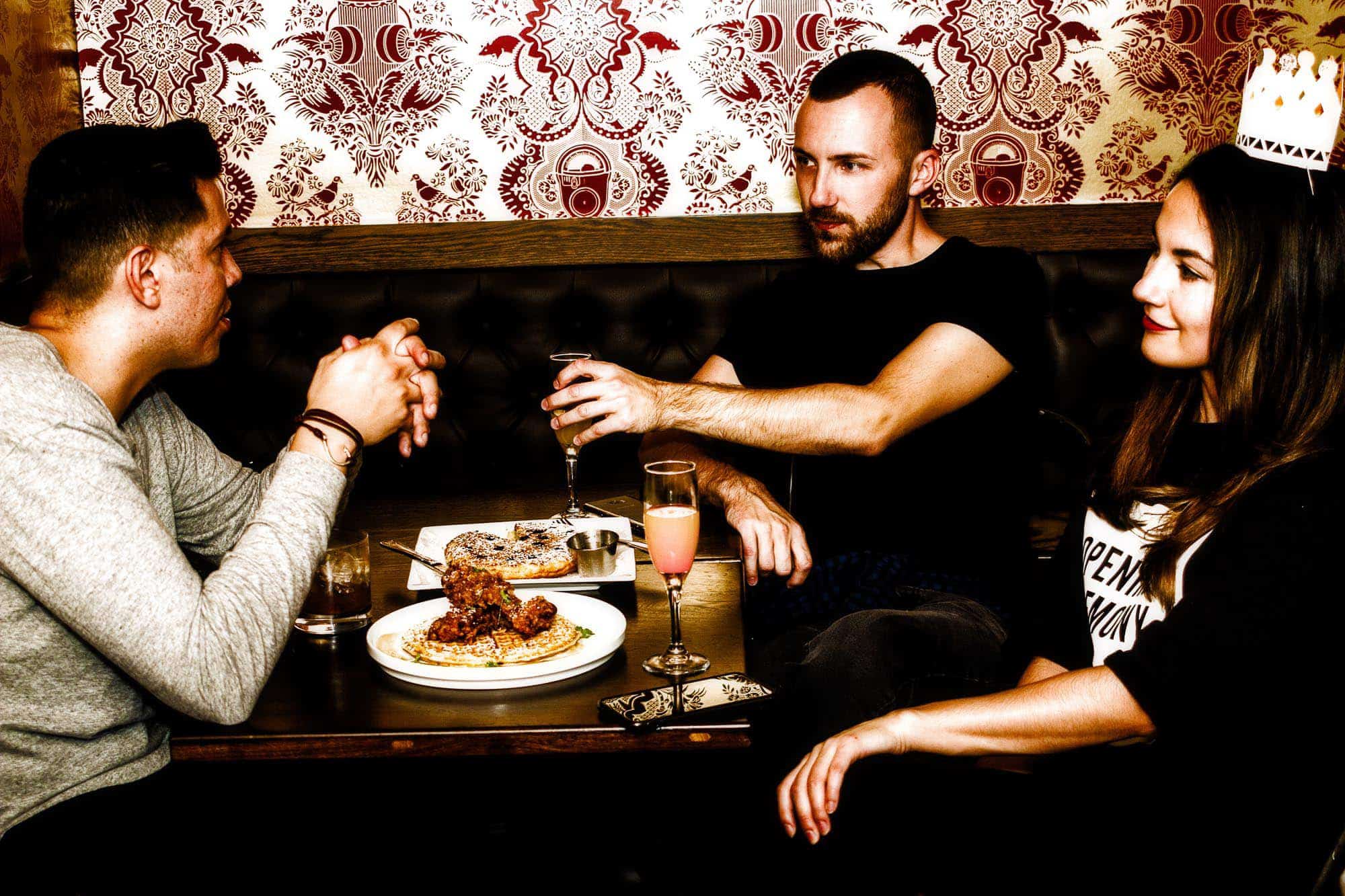
Reunions are tricky to get right. People arrive carrying history, expectations, and a little social rust. Some have not seen each other in months. Others are reconnecting after years apart, often with one eye on the room and one eye on the door, wondering who has changed and who has not. The venue shapes that first hour more than most hosts realize, which is why a bar with private room can be such a smart choice for intimate reunions.
A fully public setting often scatters the energy. Guests split into small groups, noise competes with conversation, and the evening starts to feel accidental rather than intentional. A banquet hall can create the opposite problem. It may feel too formal, too large, or too expensive for a gathering meant to be warm and personal. A private room inside a bar sits in the middle. It offers privacy without stiffness, service without overproduction, and atmosphere without forcing everyone into a scripted event.
Over the years, one pattern shows up again and again in successful reunion planning. People do not remember the imported centerpieces or the custom signage nearly as much as they remember whether they could talk, laugh, move around comfortably, and stay longer than they expected. The best private room concepts support exactly that. They make reconnection easy.
Why private rooms work so well for reunions
There is something unusually effective about stepping away from the main bar while still feeling the energy of the place nearby. A private room gives guests a sense of occasion, but it avoids the sealed-off feeling that can make a reunion feel like a conference breakout session. You get a defined home base, yet there is still ambient life outside the door.
That matters because reunions rarely move at one pace. At the start, people need smaller conversational pockets. Two old friends catch up at one end of the room. Three former coworkers compare notes at the bar station. A cousin introduces a partner to relatives who only know stories. Later, the room often loosens into one larger social current. A good private setup allows both phases to happen naturally.
Privacy also changes behavior. Guests speak more freely when they are not competing with strangers two feet away. They bring up memories, tell stories that need context, and sometimes settle unfinished business. The room becomes less about consumption and more about interaction. For a reunion, that is the whole point.
There is a practical side as well. Hosts gain control over music level, food timing, seating, and guest flow. That control does not need to be obvious to be valuable. In fact, the strongest event planning is often nearly invisible. People simply feel that the night is easy.
The atmosphere should match the relationship
Not every reunion needs the same room. A ten-year school reunion for a tight-knit group of twenty feels different from a quiet family reconnection after a long-distance move. The phrase bar with private room covers a wide range of possibilities, and choosing the right concept starts with the emotional tone of the gathering.
If the reunion is lively and story-driven, a room with standing tables, casual lounge seating, and easy access to cocktails may serve it well. Guests can drift, react, interrupt each other, and laugh loudly without worrying about structure. If the reunion has a more reflective or multigenerational tone, comfort becomes more important than buzz. Upholstered chairs, softer lighting, lower music, and dedicated table service create a more forgiving environment.
One of the most common planning mistakes is choosing the trendiest room rather than the most suitable one. A dark speakeasy-inspired space can look beautiful in photos, but if the lighting makes it hard for sixty-year-old relatives to read the menu or recognize faces across the table, that beauty comes at a cost. Likewise, a bright sports bar annex may be convenient, but it can undercut the emotional texture of a close reunion if the room feels generic or television-heavy.
The strongest venues understand that privacy is not merely about a door. It is about emotional permission. The room should signal to guests that they can settle https://blogfreely.net/chelenruav/bar-with-private-room-inspiration-for-bachelor-and-bachelorette-parties in, talk at length, and belong there.
Five private room concepts that consistently perform well
There is no single ideal setup, but several room concepts tend to work particularly well for intimate reunions because they balance comfort, movement, and mood.
-
The lounge-style room
Low sofas, armchairs, and a few cocktail tables create an immediate sense of informality. This setup is excellent for reunions where conversation is the main event and guests are likely to mingle constantly rather than sit for a full meal. -
The long-table room
A central table or two parallel tables work well when the reunion has a shared core, such as a small class cohort, a family branch, or a leadership team reconnecting after years. It creates cohesion, though it works best when the group is under about twenty. -
The semi-private mezzanine
A partially enclosed upper-level space gives guests separation without complete isolation. This option suits groups that want a little spectacle and easy overflow into the main bar later in the evening. -
The private dining room inside a cocktail bar
This concept fits reunions with a more polished tone. Guests can enjoy refined drinks and plated food while still avoiding the rigidity of a hotel function room. -
The game-adjacent room
Some venues offer private spaces near shuffleboard, darts, billiards, or curated game areas. Used carefully, this can energize a reunion that includes guests who warm up more easily around shared activity than direct conversation.
Each concept carries trade-offs. The lounge room encourages movement but may frustrate guests who want a stable seat. The long-table format supports unity but can trap quieter guests at one end. A mezzanine can feel exciting but may be difficult for anyone with mobility concerns. Good planning means noticing those realities before anyone receives an invitation.
Size matters, but not the way most people think
When people book a private room, they often ask first for the room capacity. That is important, but capacity is only part of the story. A room that legally fits thirty may only feel socially comfortable for twenty-two, depending on furniture density, server pathways, and whether guests need space for coats, gifts, or casual movement.
For intimate reunions, slight underfilling is usually better than perfect packing. If guests need to pivot sideways every time someone walks behind them, the room stops feeling intimate and starts feeling cramped. Conversation becomes fragmented because people can only hear the two nearest voices. Food and drink service slows down. A room with a little breathing room allows the event to expand emotionally.
I have seen a reunion of eighteen people thrive in a room rated for thirty because the extra space let guests stand up, circulate, and reform into different pairs and trios all evening. I have also seen a group of twenty-two squeezed into a fashionable cellar room where everyone remained anchored to one chair for three hours because movement was too awkward. The second room photographed better. The first one produced a better night.
A useful planning instinct is to think in zones rather than headcount alone. Where will guests gather when they first arrive? Where can two people peel off for a more personal catch-up? Where do bags and coats go so they do not clutter chairs? Where will food be placed if you choose shared plates? Once you start thinking that way, the right room becomes easier to spot.
Food and drink choices should support conversation
For reunions, menu strategy is less about culinary ambition and more about rhythm. The best choices keep people present in the room rather than repeatedly breaking the social flow. You want food that arrives predictably, drinks that do not require long explanations, and service that feels attentive without becoming theatrical.
Shared small plates can work beautifully for close groups because they create a low-pressure sense of abundance. They also give guests natural moments to interact. Someone reaches for the flatbread, another recommends the roasted mushrooms, and the room loosens. But shared plates only work if the table layout supports them. In a deep or narrow room, passing food across ten people becomes irritating quickly.
Plated dinners make sense when the reunion includes older guests, a formal program, or a group that values structure. They reduce crowding and can simplify billing, especially if the venue offers fixed menus. The downside is that plated service can slow the conversational tempo if courses are spaced too far apart. For a reunion, long silent gaps while everyone waits for entrées can flatten momentum.
The bar program deserves equal attention. A specialized cocktail list may sound appealing, but a reunion is not always the ideal place for a fifteen-minute discussion of tinctures and smoke rinses. Guests are there for each other, not for a masterclass in mixology. A balanced menu, with familiar classics, a few house signatures, strong no-alcohol options, beer, and wine, usually serves the room better.
One often overlooked detail is the water setup. If guests have to flag down staff repeatedly for water in a warm private room, energy drops fast. Reunions run on comfort. Good hydration is unglamorous and essential.
The room should help people hear each other
Acoustics can make or break a reunion, especially for groups spanning different ages. Bars are notorious for hard surfaces, exposed brick, polished concrete, and music systems designed to energize a crowd. All of that can work in the main bar, but a private room needs a different standard.
Before booking, ask about the door, wall treatment, ceiling height, and whether the room has independent music control. A private room attached to a high-volume main floor may still leak bass and crowd noise so heavily that guests end up shouting across dinner. After ninety minutes of that, even enthusiastic guests get tired.
Soft furnishings help. Drapery, carpeting, upholstered seating, and acoustic panels are not glamorous on the venue checklist, but they matter far more than decorative flourishes. In practical terms, the room should allow someone to speak in a normal voice and be understood by the people nearest them. If every exchange becomes “Sorry, what was that?” the night will feel shorter than it should.
Lighting matters in the same way. Dim can be elegant, but too dim creates distance. People spend half the evening squinting at each other, which is not ideal when the whole point is recognition and reconnection. A room for intimate reunions should flatter faces, not hide them.
Design details that quietly improve the experience
The best private reunion rooms are not always the grandest ones. Often, they are the rooms where practical design choices make guests feel looked after. A separate entrance or discreet host stand reduces the awkward cluster at check-in. A nearby restroom matters more than anyone admits. Coat storage saves chairs from becoming piles of outerwear. Flexible furniture lets the room evolve as the evening shifts.
If the group includes guests traveling from out of town, power outlets and phone charging access are small mercies that get appreciated quickly. If there are likely to be toasts, a corner with decent sightlines and a modest microphone option can prevent that uncomfortable craning and partial silence that happens when nobody can hear.
Décor should frame the reunion rather than dominate it. Personalized touches work best when they feel restrained and relevant. A small memory table, a few framed photos, or a subtle welcome sign can anchor the room. Turning the private room into a scrapbook explosion often backfires. Guests stop interacting with each other and start navigating decorations.
A private room inside a bar already carries visual personality. Let that do part of the work.
Budget decisions that are actually worth making
Hosts often focus on the rental fee first, then the food and beverage minimum. Both matter, of course, but the smartest budget conversations go deeper. A lower room fee in a venue with understaffed service can cost more in frustration than a higher minimum in a well-run room where everything moves smoothly.
There are a few spending priorities that typically pay off:
- Acoustic comfort is worth real money. If a quieter, more insulated room costs more, it often earns that premium.
- Staffing level should not be skimmed. One dedicated server for a small reunion can transform the experience.
- Flexible menu structure matters if guests have dietary needs or varied appetites.
- Time buffer before and after the core booking helps with early arrivals, lingering conversations, and cleanup.
- Drink package clarity prevents awkward surprises when the bill arrives.
Where can you save? Décor is the first place. Custom printed materials are another. Elaborate entertainment is often unnecessary for truly intimate reunions. If the room is right and the service is strong, guests supply the content themselves.
A good venue team will be transparent about hidden costs such as gratuity, service charges, cake fees, overtime, corkage, AV rentals, and minimum spend rules that apply before tax. Ask directly. Reunion budgets get strained less by obvious expenses than by vague ones.
Different reunions call for different pacing
One reason a bar with private room works so well is that it accommodates multiple event shapes. A reunion does not always need a formal start time, seated dinner, and closing toast. Sometimes a softer timeline creates a better emotional arc.
For a close friend group, an open arrival window can be ideal. People trickle in, order a first drink, and reorient themselves. The room gradually fills with energy instead of forcing everyone into a ceremonial beginning. For a family reunion with older relatives, a more structured plan tends to work better. Guests appreciate knowing when food is served, when photos happen, and when the room wraps.
Workplace reunions sit somewhere in the middle. Former colleagues may arrive with a bit of professional posture still intact. A private room helps relax that, but some format can still be useful. Reserved seating for the first hour, followed by freer mingling, often strikes the right balance.
The important thing is to avoid overprogramming. Reunions are not award ceremonies. They are living conversations. If you fill the evening with games, speeches, and mandatory activities, you reduce the very spontaneity people came to enjoy.
When a private room is not the right answer
Despite all its advantages, a private room is not always the best option. If the reunion is tiny, say six to eight people, a private dining alcove or large booth may feel more natural than a dedicated room. Too much empty space can make a small gathering feel self-conscious.
Likewise, if the group thrives on spontaneity and expects to mingle with a wider scene, a fully private setup may feel too contained. Some reunions benefit from a hybrid arrangement, where the group starts in a reserved semi-private area and later spills into the main bar. This works well for birthdays folded into reunions or annual meetups where guests know they will keep going after the official gathering ends.
A private room can also be a poor fit if the venue treats it as an afterthought. Some bars clearly designed their main floor for hospitality and their private room for revenue extraction. The result is a windowless box with second-tier furniture and limited service access. If the room feels like storage with better lighting, keep looking.
Questions worth asking before you sign
The best site visits are specific. Instead of asking whether the room is “nice,” ask how it actually functions on a reunion night. Find out whether music can be lowered. Ask how many chairs fit comfortably, not just technically. Ask whether guests can order from the bar directly or whether all drinks run through a server. Ask what happens if five extra people show up. Ask whether the room gets hot once full. Those are the details that surface only after a hundred events, and they are exactly the details experienced venue managers can answer.
If possible, stand in the room during service hours. Listen to the bleed from the main bar. Watch server traffic. Notice whether the lighting changes at a certain hour. A room can feel lovely at 3 p.m. And impossible at 8 p.m. When the bass from the DJ starts traveling through the wall.
Photos online rarely tell the full story. Rooms are often shot empty, brightly edited, and arranged for maximum symmetry. Reunions happen with people, bags, coats, laughter, and a little chaos. Judge the room for that reality.
The best reunion rooms feel effortless
When a reunion goes well in a private bar room, nobody talks much about the logistics. That is the mark of success. Guests remember who surprised them by showing up. They remember the old story that resurfaced after years. They remember that one round of drinks that turned into two more because nobody wanted to leave yet.
A bar with private room creates the conditions for those moments when it is chosen with care. Not because it is fashionable, and not because privacy sounds luxurious, but because intimacy needs structure to breathe. Good rooms understand that. They give people enough separation to be themselves and enough hospitality to stay in the moment.
For intimate reunions, that balance is hard to beat. The room does not need to be elaborate. It needs to be comfortable, acoustically sane, sensibly staffed, and suited to the people gathering inside it. Get those pieces right, and the evening takes care of the rest.
The Winslow
Address: 243 E 14th St, New York, NY 10003
Phone number: +12127777717
FAQ About Bar With Private Room
Which bars in NYC offer private rooms?
Many bars in New York City offer private and semi-private rooms for parties and events, ranging from hidden basement speakeasies to upscale lounge spaces. Top options include The Back Room on the Lower East Side, Dear Irving Gramercy, Pebble Bar in Midtown, Mister Paradise in the East Village, and The Winslow in the East Village.
What is a private room in a pub called?
A small, private seating area or partitioned booth in a traditional pub is most commonly called a snug. Larger private rooms used for events, parties, or dining are typically referred to as private dining rooms, function rooms, or back rooms.
How much does a 2 hour open bar cost?
A 2-hour open bar generally costs between $15 and $45 per person, depending heavily on the quality of alcohol you choose. For a standard group of 100 guests, this translates to an overall cost of $1,500 to $4,500 before taxes, setups, and staff gratuities.