Bar With Private Room Advantages for Exclusive Social Gatherings
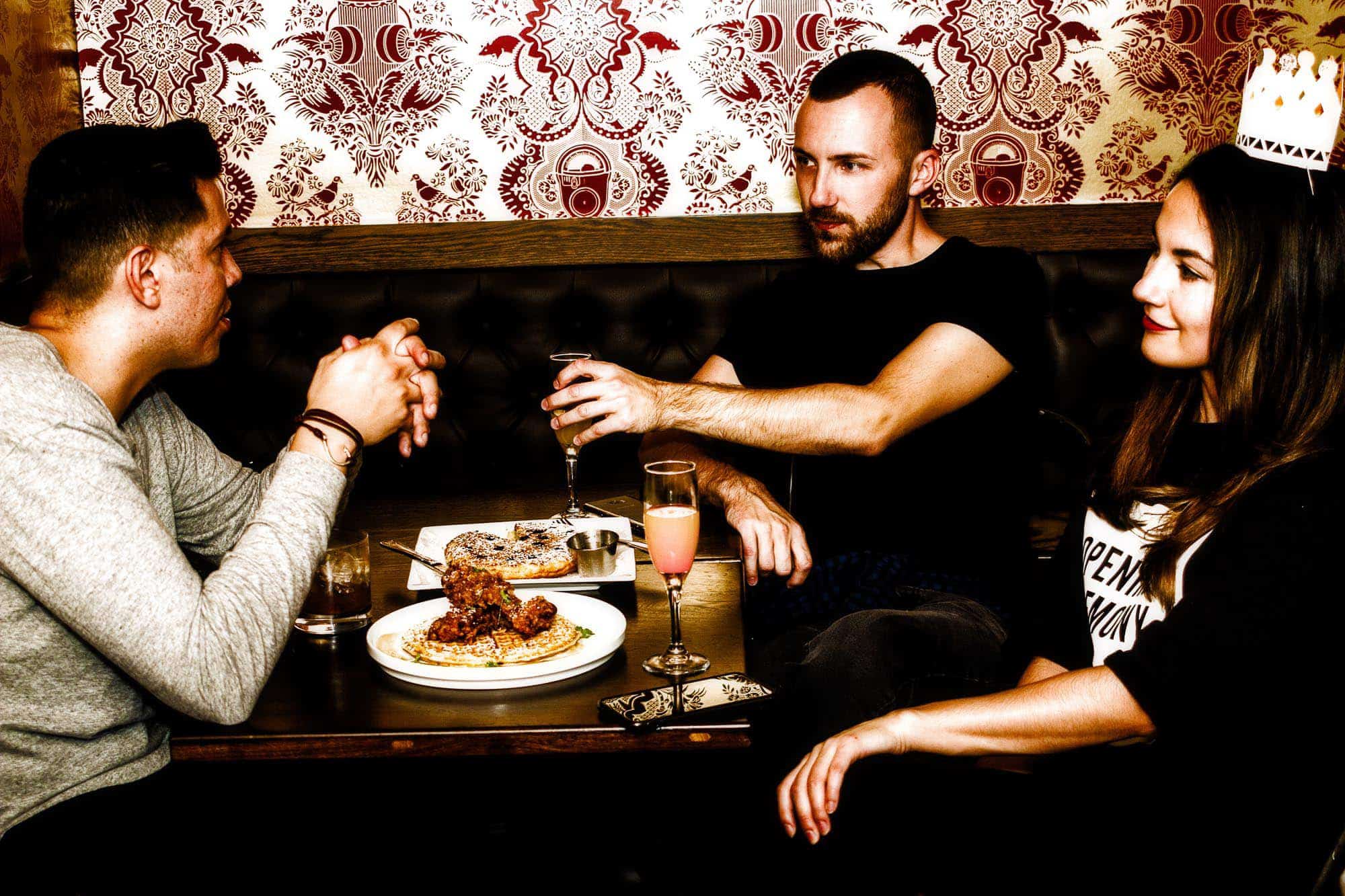
There is a clear difference between meeting people in public and hosting them with intention. That difference becomes obvious the moment a group tries to celebrate an engagement, close a deal, gather family from different generations, or bring clients together in a setting that feels polished without becoming stiff. A main-floor bar can be lively and attractive, but it also comes with interruptions, noise spill, passing strangers, and the low-grade unpredictability that follows any open venue. A Bar With Private Room solves a surprising number of those problems at once.
The appeal is not just privacy for privacy’s sake. It is control. Control over pace, sound, seating, service, and mood. https://chancezyei366.image-perth.org/how-a-bar-with-private-room-creates-a-premium-guest-experience Anyone who has planned a birthday dinner for twenty people, a team outing with executives in attendance, or a reunion where some guests want to mingle while others need a quieter corner learns quickly that the room shapes the event as much as the guest list does. A dedicated space inside a bar gives hosts the social energy of a hospitality venue with the structure of a reserved environment. That combination is what makes it so useful for exclusive social gatherings.
Why exclusivity changes the mood of an event
Exclusivity is often misunderstood as luxury alone. In practice, it means that the people who matter to the event are given room to focus on one another. That shift affects everything. Guests arrive differently when they know they are walking into a private room rather than trying to spot a group at the back of a crowded bar. They settle faster. Conversations form more naturally. The event starts to feel hosted rather than improvised.
In open public spaces, people spend energy filtering distractions. They pause when a loud group nearby cheers. They repeat themselves across music. They keep an eye on coats, bags, and whether the server can find them again after they move. None of this sounds dramatic, but together it creates friction. A private room removes much of that friction before the first drink is poured.
That matters especially for gatherings where social dynamics are delicate. Consider a retirement celebration that brings together long-time colleagues, current leadership, family, and a few close friends. In a standard bar area, those groups may stay separate because the environment does not encourage easy movement or shared attention. In a private room, the host can shape the flow. A toast can happen without asking for silence from strangers. Background music can stay at a level that allows older guests to hear comfortably. The retiree gets an experience that feels intentional rather than squeezed into whatever space was available.
The practical advantage most hosts underestimate
The biggest benefit of a Bar With Private Room is not glamour. It is logistics.
When a gathering lives in a dedicated room, the venue team can plan around it in a concrete way. Staff know where guests will be. They can stage glassware, prep food timing, set up a welcome drink station, and manage tabs with far less confusion than they could in the main bar. That predictability improves service, and good service is what guests remember long after they forget the exact canapé selection.
I have seen events of roughly the same size produce completely different results based on room setup alone. A twenty-five person birthday in a public section of a bar can feel scattered, with half the guests standing in a traffic path and the other half trying to hear the birthday speech over the regular crowd. That same group in a private room often feels smoother immediately, even without a larger budget. There is somewhere to place gifts. There is a clear place for coats. The cake can appear on time. A late arrival can find the party in seconds.
These are not glamorous details, but they are the difference between hosting and hoping.
Better conversation, which is the real point of most gatherings
People rarely book an exclusive social gathering because they want excellent acoustics on principle. They book it because they want people to connect. A private room gives conversation a fighting chance.
Most bars operate at a sound level designed to energize the room. That works beautifully for casual drop-in business, but it can wear down a planned social event. Once guests have to lean forward and repeat every sentence, conversation narrows. People default to whoever is right next to them. The group fragments. Anyone shy, older, or hearing-impaired withdraws first.
A private room moderates that effect. Even if the venue keeps a lively atmosphere, the enclosed setting usually reduces stray sound enough to make discussion easier. That opens the door to the moments hosts actually care about, the stories traded across generations at an anniversary party, the inside jokes revived at a college reunion, the side conversation between a client and a company founder that later becomes a meaningful business relationship.
This matters even more for mixed groups. A lot of exclusive gatherings include people who do not know each other well. In those cases, environment does social work. When the room feels contained and comfortable, guests take more conversational risks. They introduce themselves. They move between clusters. They stay longer.
A polished setting without the stiffness of a formal private dining room
Traditional private dining has its place, particularly for heavily structured events. Still, many hosts want something less rigid. They want service and presentation, but they also want warmth, movement, and the ease that comes with a bar environment. This is where a private room inside a bar venue stands out.
A good bar private room offers a social middle ground. It feels more elevated than reserving a few high-top tables in the open, yet less ceremonial than booking a white-tablecloth dining room where every interaction feels scripted. Guests can stand with a drink, circulate, snack, sit, rejoin another conversation, and move through the evening naturally.
That flexibility supports a broader range of occasions than many people realize. It works for milestone birthdays, engagement parties, networking mixers, rehearsal dinner after-parties, holiday gatherings, donor appreciation events, launch celebrations, and low-key bachelor or bachelorette evenings where the group wants atmosphere without chaos. The room provides containment, while the bar gives the event pulse.
Security, discretion, and peace of mind
Not every social gathering needs secrecy, but many benefit from discretion. Public figures understand this instinctively, yet it applies far beyond celebrities. Corporate hosts may want to protect client privacy. Families may want to celebrate a medical milestone or memorial gathering without becoming part of the general room’s background entertainment. Friends may simply prefer not to perform their evening for strangers.
A private room offers a practical shield. Guests are less exposed to being overheard, interrupted, or photographed casually by other patrons. Personal gifts can stay in one place. Sensitive conversations can happen without leaving the venue. Even something as simple as being able to laugh loudly, cry briefly, or toast sincerely without an audience from the next table changes the emotional safety of the event.
That emotional safety is often what allows a gathering to deepen. The room creates permission for guests to be more present.
Service becomes more precise when the room is defined
Hospitality teams work best when they can anticipate. In a private room, they can.
A defined guest count lets the bar prepare enough glassware, tailor staffing, and pace food delivery. If the room has its own service station or a designated server, drink turnaround is faster and errors tend to drop. This can save hosts from one of the most common frustrations at larger gatherings, which is the slow unraveling that happens when guests wait too long for drinks, begin ordering ad hoc from multiple points, and lose the thread of the event.
There is also more opportunity for customization. A venue can often pre-batch a signature cocktail for the room, set a welcome pour on arrival, or design a limited menu that keeps quality high while avoiding bottlenecks at the bar. Those touches feel generous without always being expensive. In fact, they can control costs better than unrestricted ordering in the main bar.
Hosts who want a smooth event should ask detailed operational questions, not just aesthetic ones. A beautiful room with weak staffing will underperform a simpler room with a strong team and clear systems.
Budget control is easier than many people expect
Some people assume a Bar With Private Room is automatically the premium, budget-stretching option. Sometimes it is, particularly in major city centers or top-tier cocktail venues. But the pricing can also be surprisingly rational when compared with trying to create the same experience in an open venue.
In an open section, spending often leaks. Guests order unpredictably. The host may feel pressure to keep adding food because there is no defined service sequence. Extra rounds arrive late, then all at once. Reserved table time gets fuzzy. A room rental or minimum spend for private space can actually create cleaner boundaries.
There are several common pricing structures, and each affects value differently:
- Room fee plus food and beverage spend
- Minimum spend with no separate rental charge
- Package pricing per guest
- Hybrid pricing for peak nights or premium rooms
- Partial buyout terms for semi-private arrangements
None of these models is inherently best. A minimum spend arrangement often works well for groups that already expect to drink and eat steadily. A package can be safer for hosts who need a fixed cost from the start. A separate room fee may make sense if the venue is in high demand and the gathering itself is modest on consumption. The key is to match the pricing model to actual guest behavior rather than the host’s optimistic forecast.
A common planning mistake is underestimating how differently people consume in a private room. Some groups drink more because the environment is comfortable and self-contained. Others drink less because the room shifts focus toward conversation and food. Venues with experienced event managers can usually give realistic ranges based on past bookings.
Room design affects more than appearance
Not all private rooms perform equally. A room can be technically private and still be awkward. Good hosts pay attention to layout, sightlines, and circulation.
A narrow room with fixed seating can trap guests at one end and make mingling difficult. A room with poor acoustics can still feel noisy despite being enclosed. A beautiful room without nearby restrooms or easy server access can create little delays that chip away at the evening. Even the position of the door matters. If it opens directly onto the busiest section of the main bar, privacy becomes relative.
The best rooms support the kind of social behavior the event needs. If speeches or toasts matter, guests need a natural focal point. If the evening is mostly mingling, there should be room to stand without blocking staff paths. If older relatives are attending, seat height, lighting, and volume become practical concerns, not stylistic preferences. If the gathering involves gifts, branded materials, or a dessert reveal, there must be surfaces and staging space.
This is where site visits earn their keep. Photos hide a lot. They flatten sound, scale, and flow. A room that looks spacious online may feel tight once twenty people, winter coats, a DJ speaker, and passed appetizers arrive.
Food and drink feel more intentional in a private setting
One subtle advantage of a Bar With Private Room is that consumption becomes part of the event design rather than an ongoing scramble. That shift improves guest experience and helps the host tell a more coherent story.
Instead of everyone ordering individually at random intervals, the host can shape a sequence. Guests might arrive to sparkling wine or a house cocktail, then move into a few shared plates, then a more substantial late-evening offering once the room settles. The venue can time this around speeches or cake service. That rhythm gives the gathering momentum.
Bar menus often work especially well for private social events because they are naturally suited to grazing, variety, and movement. Guests are not forced into a formal plated dinner if that is not the right tone. They can sample, socialize, and revisit favorites. Well-run venues know how to balance passed items with stationary spreads so the room never feels either starved or overloaded.
Drinks benefit from this structure too. A narrowed beverage menu keeps the bar team fast and the host’s costs legible. Full open bars sound generous, but they can produce long waits and uneven quality if the room is busy. A short menu of crowd-pleasing classics, one or two signatures, wine, beer, and a strong nonalcoholic option often performs better.
The occasions that gain the most from private bar space
Some events clearly benefit from a private room more than others. The best candidates are gatherings that need sociability with just enough structure to keep people connected. Celebrations with a ceremonial moment, corporate socials with relationship value, and mixed guest groups all tend to improve in a contained environment.
For example, an engagement party often includes family meeting friends for the first time. That can be warm and memorable, but also slightly awkward in the first hour. A private room lets the hosts bridge those worlds with a welcome drink, a short toast, and room to circulate. By contrast, if the same gathering is scattered across a loud public bar, each side can retreat into the people they already know.
Another strong use case is the client entertainment event that should feel social rather than transactional. A private room offers enough discretion for meaningful conversation but avoids the pressure of a formal boardroom dinner. It is especially effective when the host wants guests to stay after the official purpose of the evening is done.
Reunions also benefit more than people expect. Nostalgia needs space. Old friends tell long stories, interrupt each other, laugh too loudly, then suddenly settle into a serious conversation. A private room supports that emotional range.
What to ask before you book
A polished website and attractive photos are not enough. The questions you ask upfront determine whether the room will feel effortless or frustrating on the night. When hosts skip details, they usually pay for it in stress rather than money.
Ask these before signing:
- What is the true comfortable capacity for mingling versus seated service?
- Is there a dedicated server or bartender for the room?
- How is sound managed, including background music and microphone use?
- What are the timing rules for setup, access, and event end?
- Which costs are fixed, and which can rise based on guest behavior?
Those answers reveal more than the sales sheet does. A venue that responds clearly usually runs events clearly. Vagueness during booking often becomes confusion during service.
The trade-offs are real, and they matter
Private rooms are not always the right answer. If the group is small and highly casual, the room can feel overbuilt. If guests specifically want to mingle with the broader nightlife scene, too much separation may flatten the energy. Some private rooms also suffer from a common flaw, they isolate the event so completely that guests lose the sense of being out somewhere special. The ideal arrangement offers some access to the venue’s atmosphere without subjecting the party to its full noise and unpredictability.
Cost can also become a factor on peak nights. Friday and Saturday evenings in prime locations often carry higher minimums, shorter booking windows, or stricter packages. Hosts with flexible dates usually get better value on weekday evenings or earlier start times. Sunday afternoons can be especially strong for family events, showers, and milestone gatherings because the room feels intimate and unrushed.
There is also the risk of choosing a room that is private in name only. Semi-private spaces divided by curtains, partial walls, or distance alone can work for some events, but they should be sold honestly. If the occasion depends on speech audibility or genuine discretion, partial separation may disappoint.
Why hosts return to this format
Once people host a successful event in a bar private room, they often return to the model for future occasions. That is not because every room is glamorous or every package is perfect. It is because the format solves a recurring hosting problem: how to create intimacy without asking the host to stage-manage every detail personally.
The room carries part of the burden. It gives shape to arrival, movement, service, and farewell. It lets the host act like a host instead of a traffic controller. Guests feel looked after without being micromanaged. Staff can execute within clear boundaries. The venue still contributes atmosphere and hospitality, but the event keeps its own identity.
That balance is rare. Purely public settings can feel too loose. Fully formal venues can feel too rigid. A Bar With Private Room sits in the middle, which is exactly where many of the best social gatherings belong.
When the room is chosen well, the effect is immediate and lasting. People stay longer. They talk more easily. The event feels coherent from the first arrival to the last coat pickup. Those are not small wins. They are usually the difference between a gathering that simply happens and one that people remember for the right reasons.
The Winslow
Address: 243 E 14th St, New York, NY 10003
Phone number: +12127777717
FAQ About Bar With Private Room
Which bars in NYC offer private rooms?
Many bars in New York City offer private and semi-private rooms for parties and events, ranging from hidden basement speakeasies to upscale lounge spaces. Top options include The Back Room on the Lower East Side, Dear Irving Gramercy, Pebble Bar in Midtown, Mister Paradise in the East Village, and The Winslow in the East Village.
What is a private room in a pub called?
A small, private seating area or partitioned booth in a traditional pub is most commonly called a snug. Larger private rooms used for events, parties, or dining are typically referred to as private dining rooms, function rooms, or back rooms.
How much does a 2 hour open bar cost?
A 2-hour open bar generally costs between $15 and $45 per person, depending heavily on the quality of alcohol you choose. For a standard group of 100 guests, this translates to an overall cost of $1,500 to $4,500 before taxes, setups, and staff gratuities.